Baby Bottles and Formula Feeding Gear: Start Small
Start with two bottles, choose a nipple flow that works, and add a warmer only if your baby wants one. A practical formula-feeding gear guide.

Affiliate disclosure
This guide contains Amazon affiliate links. As an Amazon Associate I earn from qualifying purchases at no extra cost to you. Products are sold by Amazon or its third-party sellers, not by newmomshop.com. Dana's picks reflect independent editorial opinion; brands do not pay for placement or positive coverage. Read the full policy.
You don’t know which bottle your baby will take until you try it. That is the whole reason I wouldn’t put a 12-bottle set on the registry. Start with two or three bottles and a nipple made for a slower feed. If that shape works, buy more. If it doesn’t, you have two bottles to rehome instead of a cabinet full of regret.
This is gear advice. If your baby struggles to feed, coughs or chokes during feeds, or seems uncomfortable often, talk with your pediatrician rather than trying to solve it by buying another bottle system.
The starter bottle I’d buy
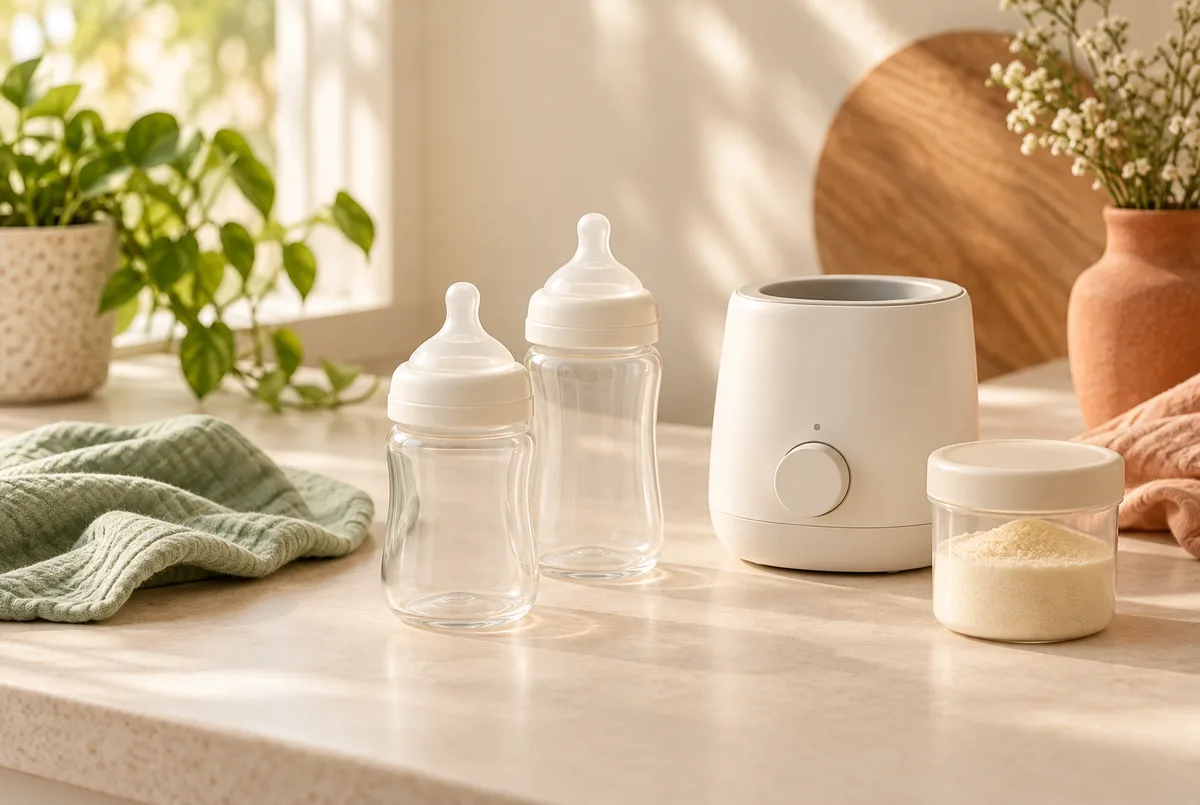
The Philips Avent Natural Response 4 oz two-pack is a sensible first try: two small, wide-neck bottles with slow-flow nipples. The nipple releases milk when the baby actively drinks, which may be useful if you also nurse. It still might not be your baby’s preferred shape. Keep the packaging until you’ve tried a few feeds, and check the exact nipple flow printed on the pack before buying more.
The “anti-colic” aisle makes every vent sound like a breakthrough. Most bottles manage air in some way; the practical differences are nipple shape, flow, and how many little parts you’ll have to clean after every feed. A vent is no guarantee against colic. Try one simple system first. If feeding is consistently difficult, ask a clinician before making the bottle aisle your treatment plan.
Nipple flow matters more than the bottle count
The age on a nipple pack is a starting point, not a deadline. A flow that’s too fast can make a feed hard to manage; one that’s too slow can make feeding frustrating. Watch your baby, take breaks, and ask your pediatrician for help choosing a flow if feeds are difficult. Philips’ Natural Response nipple works differently from its older Natural and Anti-colic nipples, so don’t assume the same number means the same flow across lines or brands.
For combination feeding, you may also want the nursing and pumping gear guide. A nursing pillow can support your arms during a supervised bottle feed, too. Never leave a baby propped with a bottle.
A bottle warmer is useful only if you need warm bottles
Formula does not have to be warmed. Try a feed at room temperature first. If your baby prefers it warm, warm running water works. If you decide you need a countertop warmer, check that your bottles fit it and follow its instructions before buying.
Whichever way you warm a bottle, never microwave the prepared milk or formula: it can heat unevenly and burn a baby’s mouth. Check the feed temperature before offering it. A warmer’s keep-warm setting does not extend the safe time for prepared formula; follow the CDC’s preparation and storage guidance for mixing, refrigeration, and discarding leftovers.
Overnight formula: make the routine boring
A dry, portioned formula container can save measuring at 2am, but it is optional. Keep the powder dry, use the scoop and water amount on your formula’s label, and mix each bottle with safe water as directed. A formula machine adds parts to clean and settings to check; I would start with a plain container and a clean bottle before giving counter space to one. If you prepare formula ahead, refrigerate it promptly and use it within 24 hours. Once feeding starts, use it within one hour and discard what’s left in the bottle. The CDC’s formula instructions cover the details and the extra precautions some babies need.
Clean bottles without building a laboratory
Take bottles apart and clean every piece after each feed. For dishwasher-safe bottles, the top rack and a closed basket for small parts are practical; follow the bottle maker’s instructions. A hot-water cycle with heated drying or a sanitizing setting can cover both washing and sanitizing. Otherwise, follow the CDC’s cleaning and sanitizing guidance for handwashing and an appropriate sanitizing method. Daily sanitizing is particularly important for babies under 2 months, babies born prematurely, and babies with weakened immune systems. For older, healthy babies, careful cleaning after each use may be enough; check with your care team if you have a specific concern.
Do not put an ordinary plastic bottle directly in the microwave to “sterilize” it, and do not microwave a prepared feed. A dedicated microwave steam sterilizer is a different method: use it only when the bottle and device makers say the parts are compatible, and follow their instructions. You don’t need an expensive sterilizer tower just to start.
What I’d skip for the registry
- A full matching bottle set before your baby has accepted the nipple and shape.
- An expensive glass starter set before you know what works. Glass can be a later choice if you prefer it and can manage the weight and breakage risk.
- A novelty self-warming bottle with extra parts to wash and a price tag doing the work of warm water.
- A formula dispenser machine or elaborate sterilization station before you know whether your actual feeding routine calls for one.
For the rest of the first-month priorities, use the registry checklist.
Natural Response Baby Bottles, 4 oz, 2-Pack (SCY900/02)
Philips Avent · Available on Amazon
Two small bottles are enough to test the shape and nipple before you commit to a drawerful. The wide neck keeps assembly and cleaning simple.
- Two-bottle starter size
- Slow-flow nipples included
- Dishwasher-safe parts
- The active-drinking nipple may not suit every baby
- 4 oz size is eventually outgrown
Questions parents ask before buying
How many baby bottles should I buy before birth?
Start with two or three bottles, preferably a small pack with a slow-flow nipple. Once your baby feeds comfortably from that shape, buy enough for your washing routine.
Do I need a bottle warmer for formula?
No. Formula does not need to be warmed. A warmer can help if your baby prefers warm feeds, but warm running water also works. Never microwave a prepared bottle.
Are anti-colic bottles worth it?
Many bottles use a vent or valve to manage air. No label guarantees a better fit for your baby; start with a simple bottle, watch how your baby feeds, and ask your pediatrician about persistent discomfort or feeding trouble.