
Feeding
How long it keeps, how to warm it, what to throw out.
Pumped milk, made formula, bottles and the pump bag. What the CDC says about each, in plain words. Every answer starts short and links the page it comes from.
The numbers people look up at 3am.
Pumped milk: up to 4 hours at room temperature (77°F or colder), up to 4 days in the fridge. Made formula: use within 2 hours of making it and 1 hour from when feeding starts. Throw out what’s left in the bottle. Those are the CDC’s figures. Detail: how long breast milk lasts and the formula 2-hour rule.
- How Long Does Breast Milk Last?The CDC says freshly expressed breast milk keeps up to 4 hours at room temperature (77°F or colder), up to 4 days in the refrigerator, and about 6 months in the freezer is best, with up to 12 months acceptable. Once it's thawed in the fridge, use it within 24 hours. Once it's been brought to room temperature or warmed, use it within 2 hours.Read the full answer →
- How to Warm or Thaw Breast MilkPut the sealed container in a bowl of warm water, or hold it under warm, not hot, running water for a few minutes. The CDC says never to thaw or heat breast milk in a microwave: it can destroy nutrients and create hot spots that burn a baby's mouth. Thawing in the refrigerator works too; use that milk within 24 hours.Read the full answer →
- How Long Can Prepared Formula Sit Out?The CDC says to use prepared infant formula within 2 hours of preparation and within one hour from when feeding begins. If you won't start within 2 hours, put the bottle in the fridge right away and use it within 24 hours. Throw out whatever is left in the bottle after the feeding.Read the full answer →
- How Long Does Formula Last After You Open It?The CDC says most infant formulas need to be used within 1 month of opening the container. Keep opened powder in a cool, dry place with the lid tightly closed, not in the refrigerator. Never use formula after the Use By date on the container, and store unopened containers indoors, not in a car, garage or outdoors.Read the full answer →
- Do You Need to Sterilize Baby Bottles?Cleaning after every use matters for everyone. The CDC says sanitizing is particularly important when your baby is younger than 2 months, was born prematurely, or has a weakened immune system, and recommends sanitizing daily for those babies. For older, healthy babies daily sanitizing may not be necessary if items are cleaned carefully after each use.Read the full answer →
- Can You Pump at Work?The CDC says the PUMP Act requires employers to give reasonable break time to express breast milk for one year after your child's birth, and a clean, private space that is not a bathroom. You can store freshly expressed milk in any refrigerator appropriate for food storage, and carry it in an insulated cooler bag with frozen ice packs for up to 24 hours.Read the full answer →
Gear that holds up
Fewer feeding products, chosen on purpose.
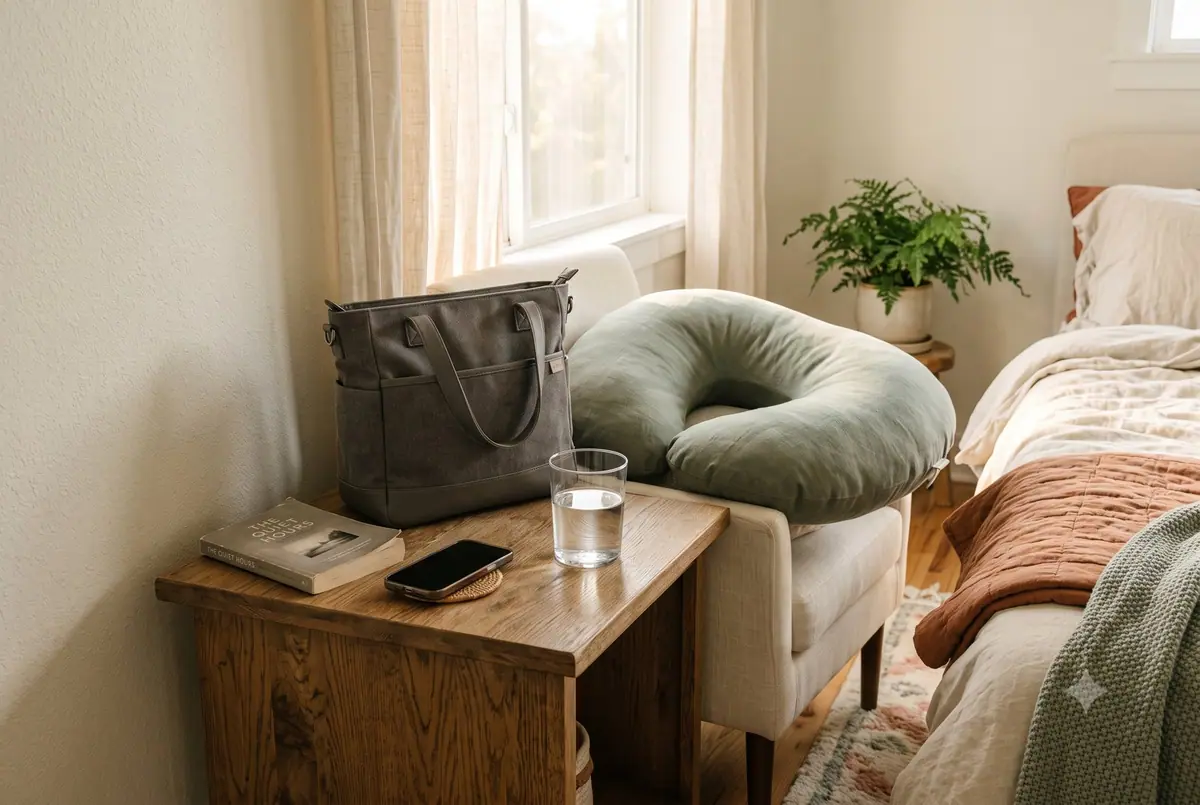
Nursing and Pumping Gear That Pulls Its Weight
A blunt nursing and pumping setup: the pump, bra, and support gear that make feeding more manageable without buying every lactation gadget.
Read the guide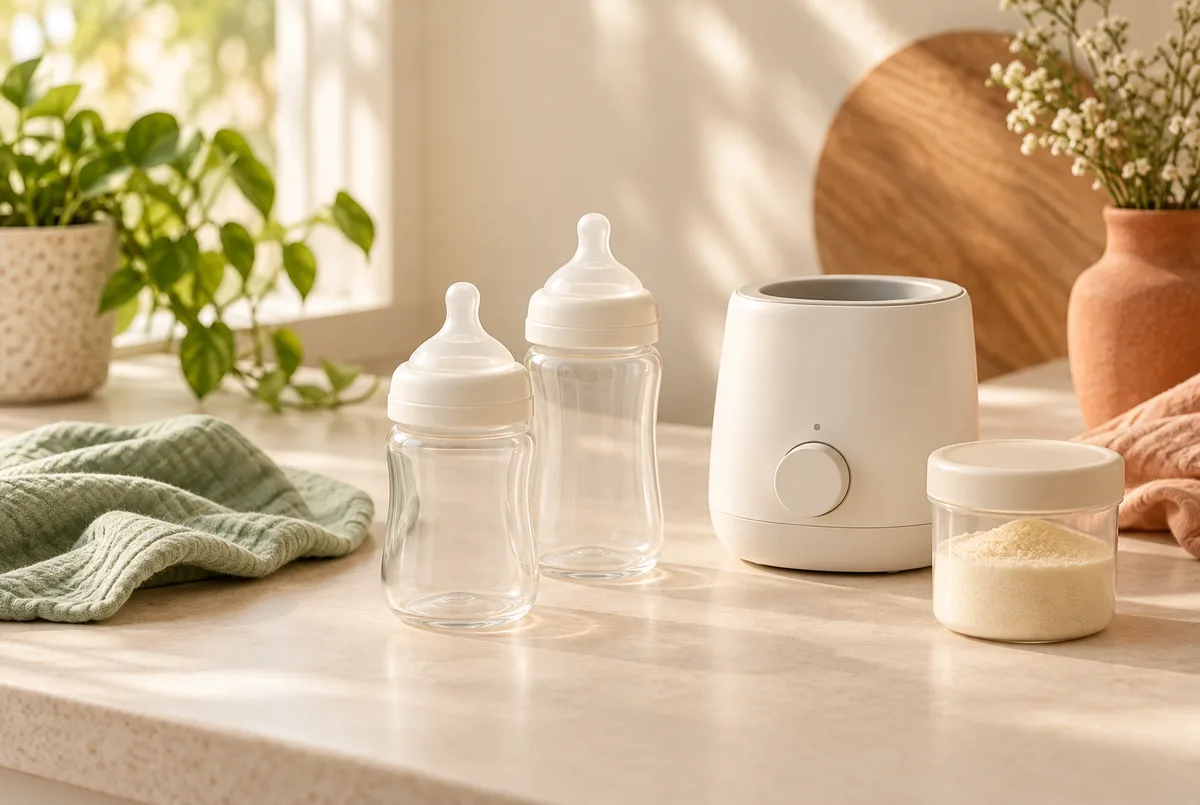
Baby Bottles and Formula Feeding Gear: Start Small
Start with two bottles, choose a nipple flow that works, and add a warmer only if your baby wants one. A practical formula-feeding gear guide.
Read the guideBuilding the whole list? The registry builder sorts feeding gear in with everything else by what to buy now, what can wait, and what to skip.
Dana is a parent, not a doctor or lactation consultant. These pages explain public guidance from the CDC; they are not medical advice. If your baby was born early or has a medical condition, your pediatrician has the final word.